
VETERAN-OWNED & OPERATED
Properties Protected From Structural Damage
Rodent Control in Rives Junction for warehouses, offices, and facilities where entry points compromise sanitation
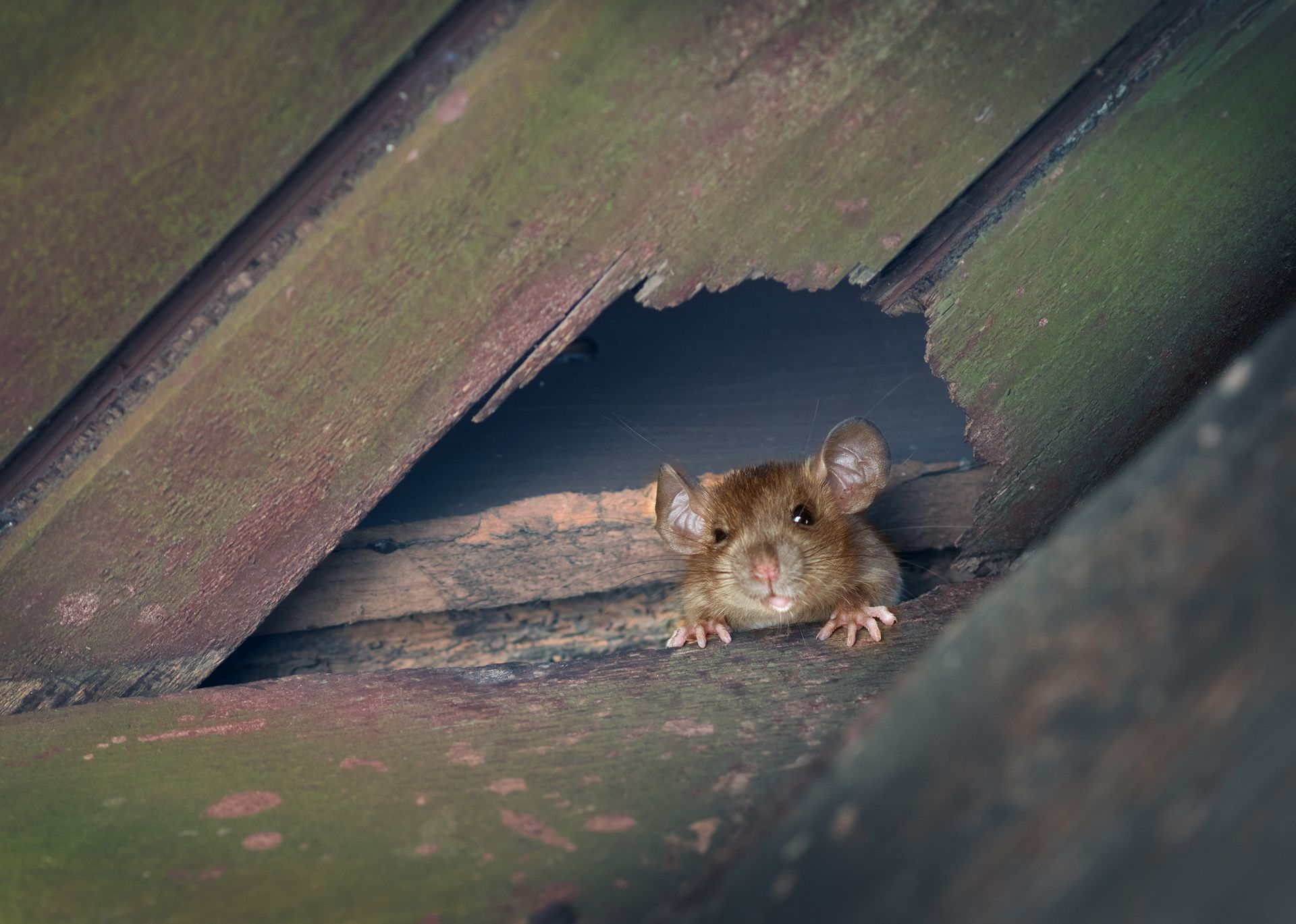
Rodents enter commercial properties through utility penetrations, loading dock gaps, roof vents, and foundation cracks as small as a quarter inch, creating sanitation risks and potential damage to electrical wiring and stored materials. Once inside, they establish nesting sites in wall cavities, drop ceilings, storage areas, and machinery housings where activity remains undetected until droppings or gnaw marks become visible. Ohm Innovators LLC provides rodent control for offices, warehouses, restaurants, and industrial facilities in Rives Junction, Somerset, Springport, and surrounding areas where structural access points and operational risks require professional trapping strategies and long-term prevention.
The service begins with inspections of loading areas, utility rooms, storage zones, and exterior perimeters to locate active entry points and assess the extent of interior activity. Trapping placements are positioned along travel routes identified by droppings, rub marks, and gnaw evidence, with follow-up visits scheduled to remove captured rodents and evaluate whether new activity indicates additional entry points.
Request a property assessment to identify current rodent entry points and develop a containment strategy.
What Rodent Prevention Requires Long-Term
Effective rodent control combines trapping with exclusion work that seals structural gaps, repairs damaged weather stripping, and installs barriers at vulnerable access points. Inspections evaluate roof lines, utility chases, door sweeps, and areas where building materials have deteriorated, allowing rodents to bypass perimeter defenses. Trapping strategies are adjusted based on facility layout and whether activity is concentrated near food storage, employee break rooms, or loading zones.
After treatment and exclusion work, you'll notice the absence of droppings in previously active areas, no further gnaw damage to stored materials or wiring insulation, and reduced odors associated with nesting sites. Businesses that address rodent issues before infestations expand avoid the larger-scale contamination and structural repair costs that develop when populations establish breeding colonies inside the building envelope.
Discreet scheduling options are designed to minimize disruption for staff and customers, with trapping placements and inspections conducted during off-hours or low-traffic periods. This approach maintains normal operations while containment work progresses in areas where rodent activity has been documented.
Common Concerns About Commercial Rodent Control
Business owners in Rives Junction and neighboring communities often ask about trapping timelines, exclusion methods, and how to prevent re-infestation once initial control measures have been completed.
What entry points do rodents typically use in commercial buildings?
Rodents commonly enter through gaps around utility lines, damaged door sweeps, roof vents, loading dock seals, and foundation cracks, with mice requiring openings as small as a dime and rats needing gaps about the size of a quarter.
How long does it take to control an active rodent infestation in a warehouse?
Containment timelines depend on population size and building complexity, but most commercial properties see significant activity reduction within two to three weeks of trap placement and follow-up inspections.
Why do rodents keep returning even after trapping?
Re-infestation occurs when structural entry points remain unsealed, outdoor attractants such as dumpsters or vegetation provide cover near building perimeters, or neighboring properties harbor populations that migrate into treated spaces.
What types of businesses are most affected by rodent problems?
Food service establishments, warehouses with pallet storage, multi-tenant office buildings, and industrial facilities with frequent loading dock activity face higher rodent risks due to available food sources and structural access points.
How does rodent control improve workplace safety?
Eliminating rodent activity reduces contamination risks in food handling areas, prevents electrical fire hazards caused by wire gnawing, and removes disease transmission concerns associated with droppings in ventilation systems and work surfaces.
Ohm Innovators LLC evaluates both current activity and structural vulnerabilities to develop rodent control plans that prevent future infestations. Call us to schedule an inspection and receive exclusion recommendations specific to your property type.