
VETERAN-OWNED & OPERATED
Homes Protected From Mice and Rat Entry
Rodent Control in Rives Junction for properties experiencing scratching sounds, droppings, or visible rodent activity indoors
Mice and rats enter homes through gaps as small as a quarter-inch, targeting warmer indoor spaces when outdoor temperatures drop during Michigan's colder months. Once inside, they establish nesting sites in attics, crawl spaces, wall voids, and garage storage areas where insulation and stored materials provide cover. Ohm Innovators LLC provides rodent control solutions throughout Rives Junction, Lansing, Springport, and surrounding areas, combining trapping strategies with structural assessments that identify how rodents are accessing your home and what's allowing them to establish populations inside living spaces.
Inspections focus on entry points such as foundation cracks, gaps around utility penetrations, damaged roof vents, and deteriorating weather stripping along garage doors. Rodents follow scent trails to food storage areas including pantries, pet food containers, and garages where birdseed or lawn care products are kept. Structural vulnerabilities like unsealed crawl space vents or gaps where siding meets the foundation allow repeated access even after initial populations are removed, which is why prevention-focused recommendations address the pathways rodents use to enter and re-enter treated properties.
Request an inspection when you notice droppings, gnaw marks on food packaging, or scratching sounds inside walls during evening hours.
How Rodent Removal Addresses Entry and Nesting Sites
Trapping strategies place devices along active rodent pathways identified through droppings, rub marks on baseboards, and tracking dust applied during inspection. Traps are positioned inside attics near insulation disturbances, along garage walls where rodents travel to access stored items, and inside crawl spaces where nesting materials like shredded insulation indicate active populations. Prevention recommendations include sealing gaps around pipe penetrations, installing door sweeps on exterior entries, and securing foundation vents with hardware cloth that blocks rodent access while maintaining necessary ventilation.
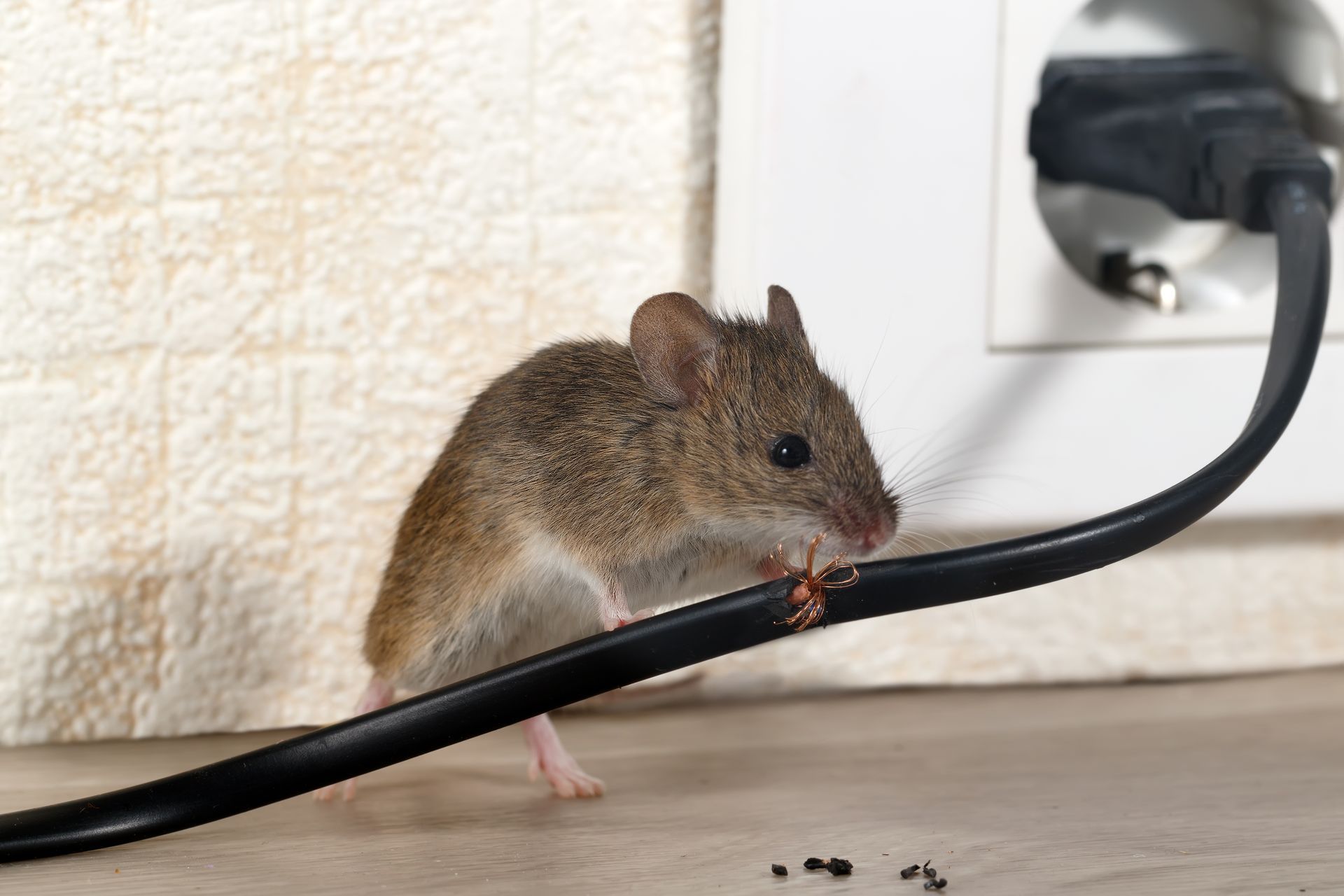
After rodent populations are removed and entry points are addressed, you'll notice an absence of scratching or scurrying sounds inside walls and ceilings during nighttime hours, elimination of the musky odor associated with rodent urine in enclosed spaces, and no new droppings appearing along baseboards or inside cabinets. Stored food remains intact without gnaw marks on packaging, and insulation in attics and crawl spaces is no longer disturbed or compressed into nesting material. The risks rodents create—including contamination from droppings, structural damage from gnawing on wiring and wood framing, and potential disease transmission—are eliminated once populations are removed and re-entry is prevented.
Long-term prevention requires maintaining the structural barriers that keep rodents outside, including monitoring foundation perimeters for new cracks, trimming tree branches that overhang rooflines, and storing bulk food items in sealed containers rather than original packaging that rodents can chew through.
Common Concerns About Rodent Removal
Rodent control depends on understanding how mice and rats are entering your property, where they're nesting, and what attractants are sustaining their presence indoors.
What does the inspection process reveal?
Inspections map entry points such as foundation cracks and gaps around utility lines, locate nesting sites in attics or crawl spaces based on droppings and insulation disturbance, and identify food sources including unsealed pantry items or pet food left accessible overnight.
Why does rodent activity increase during colder months in Michigan?
Mice and rats seek indoor shelter when outdoor temperatures drop, targeting heated spaces with access to food and nesting materials, which causes seasonal spikes in attic and basement activity as rodents move indoors to escape freezing conditions.
How are traps positioned to capture active rodents?
Traps are placed along walls where rodents travel rather than in open floor areas, positioned near droppings and rub marks that indicate regular pathways, and checked frequently to remove captured rodents and reset devices until activity stops.
What structural vulnerabilities allow rodents to enter homes?
Foundation cracks wider than a quarter-inch, gaps around plumbing and electrical penetrations, damaged roof vents, and deteriorating garage door seals create entry points that rodents exploit repeatedly unless sealed with appropriate materials.
What improvements will I notice after rodent removal?
Living spaces become quieter without scratching sounds in walls, sanitation improves as droppings and urine contamination are eliminated, and stored items remain undamaged without gnaw marks on packaging or structural materials.
Ohm Innovators LLC addresses both active infestations and the structural conditions that allow rodents to enter and thrive indoors. Call for a prompt inspection if rodent activity is increasing or if you've discovered nesting materials in storage areas, as early intervention prevents larger populations from establishing throughout your home.