
VETERAN-OWNED & OPERATED
Yards Treated for Seasonal Pest Activity
Mosquito, Flea, & Tick Control in Rives Junction for properties with outdoor pest activity affecting families, pets, and gathering spaces
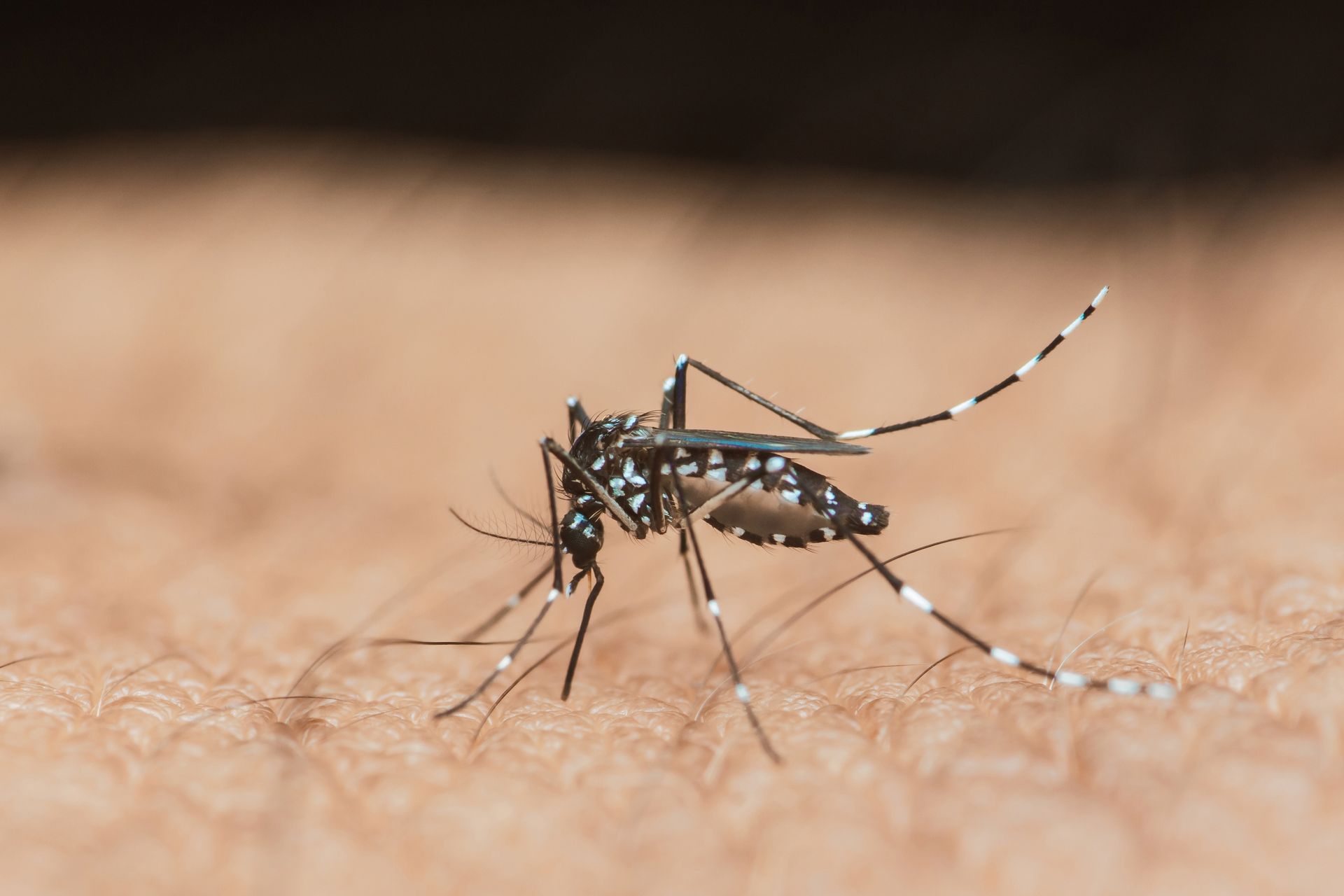
Mosquitoes breed in standing water collected in gutters, birdbaths, and low-lying landscape areas, while fleas and ticks thrive in shaded zones with tall grass, leaf litter, and areas where pets spend time outdoors. Treatment applications target these breeding and harborage sites around residential properties in Rives Junction, Hillsdale, Springport, and surrounding areas, reducing pest populations before they peak during Michigan's warmer months when outdoor activity increases. Ohm Innovators LLC provides seasonal pest control services for yards, landscaping, shaded areas beneath decks and trees, pet zones, and outdoor gathering spaces where mosquitoes, fleas, and ticks create nuisance conditions and health concerns for families and animals.
Treatments focus on the conditions that sustain pest populations rather than simply reducing the number of adult mosquitoes, fleas, or ticks present on treatment day. Mosquitoes require water sources to complete their breeding cycle, fleas need organic debris and animal hosts to thrive, and ticks depend on tall vegetation and shaded humidity to survive between blood meals. Applications address these habitats by treating foliage where mosquitoes rest during daylight, lawn areas where fleas develop after eggs drop from pet fur, and border zones where ticks wait on vegetation tips to attach to passing animals or people.
Arrange seasonal treatment services before mosquito, flea, and tick activity peaks in late spring and early summer when outdoor gatherings and pet exposure increase.
What Proper Treatment Requires for Outdoor Spaces
Applications cover lawn surfaces, shrub foliage, mulched garden beds, fence lines, and areas beneath decks or porches where shade and moisture create favorable conditions for mosquitoes, fleas, and ticks. Treatment timing matters because mosquito populations build throughout the season as temperatures warm and standing water accumulates, flea infestations worsen when pets spend more time outdoors and bring eggs inside on their fur, and tick activity peaks during spring and fall when nymphs and adults are most active. Recurring treatments address new pest generations that emerge as the season progresses, maintaining coverage rather than relying on a single application to control pests for months.
After treatment, outdoor spaces become more comfortable for family activities without constant mosquito presence during evening hours, pets experience fewer flea bites and reduced tick attachment when playing in the yard, and guests can gather on patios or decks without being driven indoors by biting insects. Yards that were previously unusable during peak mosquito hours become accessible for grilling, gardening, or relaxing outdoors. The risks associated with mosquito-borne illnesses, flea infestations spreading indoors, and tick-transmitted diseases decrease as pest populations are managed throughout the active season.
Prevention-focused recommendations accompany treatment, including eliminating standing water in containers and clogged gutters, mowing grass regularly to reduce tick habitat, and trimming vegetation away from outdoor living areas to improve airflow and reduce shaded zones where mosquitoes and ticks concentrate.
Answers to Frequent Outdoor Pest Questions
Seasonal pest control involves understanding when mosquito, flea, and tick activity increases and how recurring treatments maintain protection throughout warmer months.
When does mosquito activity peak in Michigan?
Mosquito populations build as temperatures rise above 50 degrees and standing water from spring rains provides breeding sites, with peak activity occurring during humid summer evenings when mosquitoes are most aggressive and outdoor gatherings are most affected.
What areas around my property need treatment?
Yards, landscaping, shaded areas beneath trees and decks, pet zones where animals rest outdoors, fence lines, and outdoor gathering spaces all require coverage because mosquitoes, fleas, and ticks concentrate in these zones based on vegetation density, moisture levels, and host activity.
How does treatment reduce pest populations over time?
Applications target adult pests and larvae in breeding areas, preventing new generations from maturing and sustaining populations, while recurring treatments address pests that emerge after each application as eggs hatch and new adults migrate into treated areas from neighboring properties.
Why do fleas and ticks remain a concern even after treating my yard?
Pets bring fleas and ticks indoors on their fur after outdoor exposure, neighboring untreated properties allow pests to reinfest your yard, and wildlife such as deer and rodents introduce new ticks into treated areas, which is why recurring treatments and pet prevention measures work together.
What makes outdoor spaces more usable after treatment?
Reduced mosquito presence during evening hours allows comfortable patio and deck use, fewer flea bites mean pets and family members can enjoy yard activities without irritation, and decreased tick populations lower the risk of tick attachment during outdoor recreation and lawn maintenance.
Ohm Innovators LLC schedules recurring seasonal treatments to maintain pest control as mosquito, flea, and tick populations build throughout Michigan's warmer months. Call to schedule your first treatment before outdoor pest activity escalates and limits your ability to enjoy your yard comfortably with family and pets.